
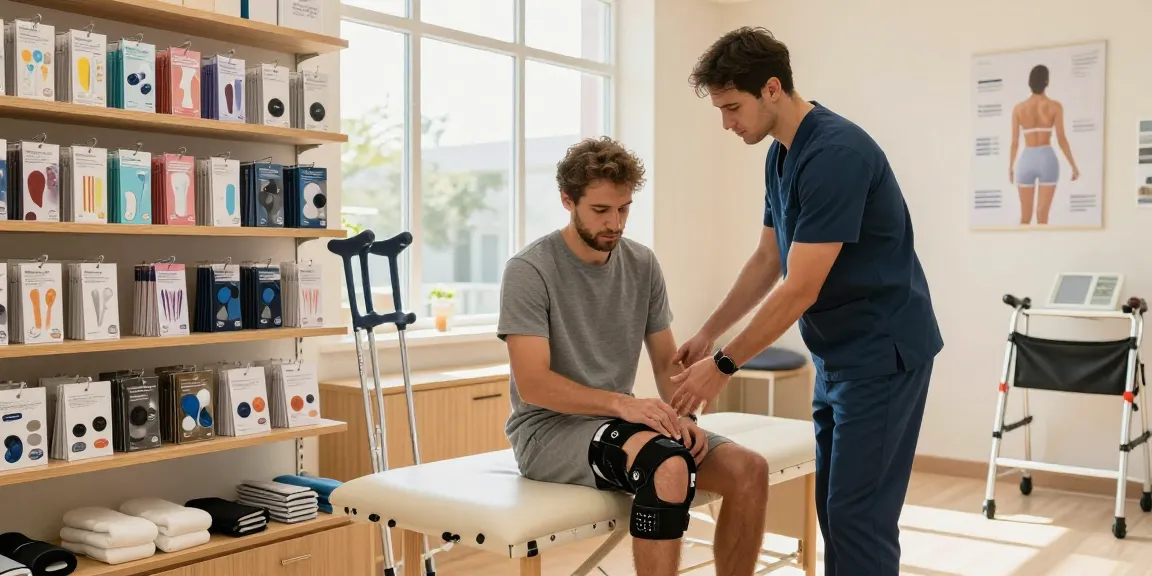
Understanding Orthopedic Materials and Their Importance
Orthopedic materials, or materiel orthopedique, play a crucial role in the field of medicine, particularly in the treatment and rehabilitation of musculoskeletal issues. These specialized materials are designed to support, protect, or enhance the function of bones and joints, providing patients with the necessary tools for recovery. From braces and splints to advanced surgical implants, the variety of orthopedic products available today is vast and continues to evolve with technological advancements. Understanding how these materials work and their significance can empower patients and healthcare providers alike to make informed decisions about treatment options.
What is Materiel Orthopedique?
Materiel orthopedique refers to the range of products and materials used in orthopedic care. This includes both non-invasive aids such as supports and braces and invasive devices like screws and plates used during surgical procedures. The primary goal of these materials is to alleviate pain, improve functionality, and provide stability to affected areas of the body. As innovations in biomaterials develop, the effectiveness and comfort of these products are significantly enhanced.
Key Benefits of Using Orthopedic Materials
- Injury Prevention: Properly fitted orthopedic materials can prevent injuries during physical activities by providing the necessary support.
- Enhanced Recovery: Post-surgical or post-injury, these materials facilitate quicker recovery and rehabilitation.
- Pain Relief: Many orthopedic aids are designed to reduce strain on muscles and joints, consequently alleviating discomfort.
- Improved Mobility: By stabilizing joints and improving alignment, these materials can help restore normal movement patterns.
Types of Orthopedic Products Available
The spectrum of orthopedic products encompasses various types tailored to meet specific needs. These include:
- Braces: Used to stabilize and support joints.
- Splints: Often used for immobilization following an injury.
- Orthotic Insoles: Custom-made shoe inserts that correct alignment issues.
- Prosthetics: Artificial limbs or body parts to replace lost or dysfunctional ones.
- Surgical Implants: Metal rods, screws, and plates used during orthopedic surgeries.
Choosing the Right Orthopedic Materials for Your Needs
When selecting orthopedic materials, it’s essential to consider individual requirements and circumstances. Each product serves a unique purpose and should be chosen based on specific medical conditions and lifestyles. For more detailed insights into various options, you can explore materiel orthopedique resources available online.
Factors to Consider When Selecting Orthopedic Aids
- Type of Injury: The nature and severity of the injury dictate the type of orthopedic aid required.
- Comfort and Fit: Proper fitting is crucial for effectiveness; materials should not cause additional pain or discomfort.
- Activity Level: Active individuals may need a different level of support compared to those with sedentary lifestyles.
- Medical Professional’s Advice: Always consult with a healthcare provider to ensure the chosen aid aligns with your recovery goals.
Common Misconceptions About Orthopedic Materials
Despite their benefits, several myths about orthopedic materials persist. One popular misconception is that all orthopedic aids are bulky and uncomfortable. In reality, modern designs prioritize both functionality and comfort, often utilizing lightweight materials that make them easier to wear for extended periods. Another myth is that orthopedic aids are only for serious injuries; in fact, they can also be preventative tools for athletes and active individuals.
Guidelines for Customizing Your Orthopedic Equipment
Customization of orthopedic equipment can significantly enhance effectiveness. Start by assessing your specific needs in collaboration with a healthcare professional who can recommend appropriate adjustments. This may include modifying a brace for better fit or choosing specific materials that align with your lifestyle. Custom orthotics, for instance, are tailored to individual foot shapes and walking patterns, offering superior support compared to off-the-shelf options.
Real-World Applications of Materiel Orthopedique
Case Studies: Success Stories in Recovery
Case studies reveal powerful narratives of recovery through the use of orthopedic materials. For instance, an athlete recovering from an ACL tear may use a specialized knee brace to stabilize the joint during rehabilitation, allowing for gradual return to sport. Another example can be seen in elderly patients who utilize hip protectors to prevent fractures during falls, showcasing the preventative utility of these materials.
Practical Uses in Different Medical Conditions
Orthopedic materials play crucial roles across various medical conditions. For patients with arthritis, supportive braces can alleviate pain and reduce strain on joints. In contrast, individuals recovering from surgery may require postoperative splints to ensure proper healing. Each medical condition has unique requirements, and the application of orthopedic materials must be tailored accordingly.
How Physical Therapists Integrate Orthopedic Materials
Physical therapists often incorporate orthopedic materials into rehabilitation programs to enhance recovery outcomes. They might recommend specific braces or supports during exercise to ensure safety and effectiveness. By working with patients to educate them about the proper use of these aids, therapists can help maximize recovery while also addressing concerns related to pain and mobility.
Best Practices for Using Orthopedic Materials
Maintenance and Care of Orthopedic Aids
Maintaining orthopedic materials is essential for their longevity and effectiveness. Regular cleaning, proper storage, and periodic inspections for wear and tear can help ensure that these aids continue to function as intended. For example, braces should be hand-washed and air-dried to maintain their integrity, while insoles may need replacement every few months or based on usage.
How to Ensure Proper Usage for Maximum Benefit
To gain maximum benefit from orthopedic aids, users should follow guidelines provided by healthcare professionals. Wearing the equipment as directed, adhering to suggested wear times, and participating in prescribed rehabilitation exercises can enhance the benefits of these materials. Education on proper usage is crucial for both patients and caregivers to optimize outcomes.
Signs You May Need to Replace Your Orthopedic Equipment
Recognizing when orthopedic aids need replacement is vital. Signs may include visible wear and tear, persistent discomfort while using the equipment, or changes in medical condition that necessitate an updated product. Regular evaluations by healthcare providers can help determine the appropriate timing for replacements to ensure continued effectiveness in treatment.
Future Trends in Orthopedic Technology and Materials
Innovations Coming in 2026
The field of orthopedic materials is poised for substantial innovations by 2026. Advances in smart technology will likely lead to the development of devices that track patient movement and provide real-time feedback to optimize recovery strategies. This could include sensors embedded in braces that monitor pressure and alignment or mobile applications that assist in rehabilitation exercises.
Predictions for Materiel Orthopedique Advancements
Future advancements may focus on biocompatibility and new material formulations that enhance comfort while minimizing rejection rates for implants. As 3D printing technology becomes more mainstream, customized orthopedic products tailored to individual anatomy and needs are expected to become widely available, offering a higher degree of personalization in treatment options.
Emerging Research and Its Impact on Patient Care
Ongoing research in the fields of materials science, biomechanics, and rehabilitation is set to influence how orthopedic products are developed and utilized. Innovative studies exploring the integration of regenerative medicine with traditional orthopedic approaches may pave the way for new treatments that not only alleviate symptoms but also promote healing at a cellular level.
How Can Materiel Orthopedique Improve Mobility?
Utilizing the right orthopedic materials can significantly enhance mobility for individuals recovering from injuries or managing chronic conditions. By providing support and stability, orthopedic aids facilitate better movement patterns and encourage physical activity, which is crucial for overall health and recovery.
What Are the Most Common Types of Orthopedic Materials?
The most common types of orthopedic materials include braces, prosthetics, orthotics, surgical implants, and splints. Each type serves distinct purposes, varying from supportive functions to corrective interventions aimed at restoring normal physiological function.
How Should One Choose the Right Orthopedic Equipment?
Choosing the right orthopedic equipment involves understanding the specific needs based on individual conditions, consulting with healthcare professionals, and considering factors such as comfort, fit, and activity level. Individualized assessments are key to ensuring that the selected product meets therapeutic goals effectively.
What Are the Correct Ways to Maintain Orthopedic Aids?
Correct maintenance of orthopedic aids includes following cleaning instructions, inspecting for damage regularly, and ensuring proper usage guidelines are adhered to. Patients should also engage in open communication with their healthcare providers regarding any changes in their need for support.
How Will Technology Influence Orthopedic Materials by 2026?
By 2026, technology is expected to revolutionize orthopedic materials through advancements like wearable health-monitoring devices, enhanced materials that reduce weight and increase strength, and the use of artificial intelligence in designing personalized treatment plans. These innovations will enable more effective and efficient patient care.
